Historic Swiss bank building with closed sign and Swiss Alps backdrop

The Extinction of Secrecy: The Real Story Behind Swiss Bank Closures Since 2000

The aura of absolute invincibility surrounding the Swiss banking sector is a ghost story from the 20th century. For decades, global capital flowed into Zurich and Geneva under the assumption that a Swiss bank simply could not fail. The institutions were older than modern nation-states, seemingly insulated by impenetrable secrecy laws and conservative balance sheets.

The Extinction of Secrecy: The Real Story Behind Swiss Bank Closures Since 2000 Read More »

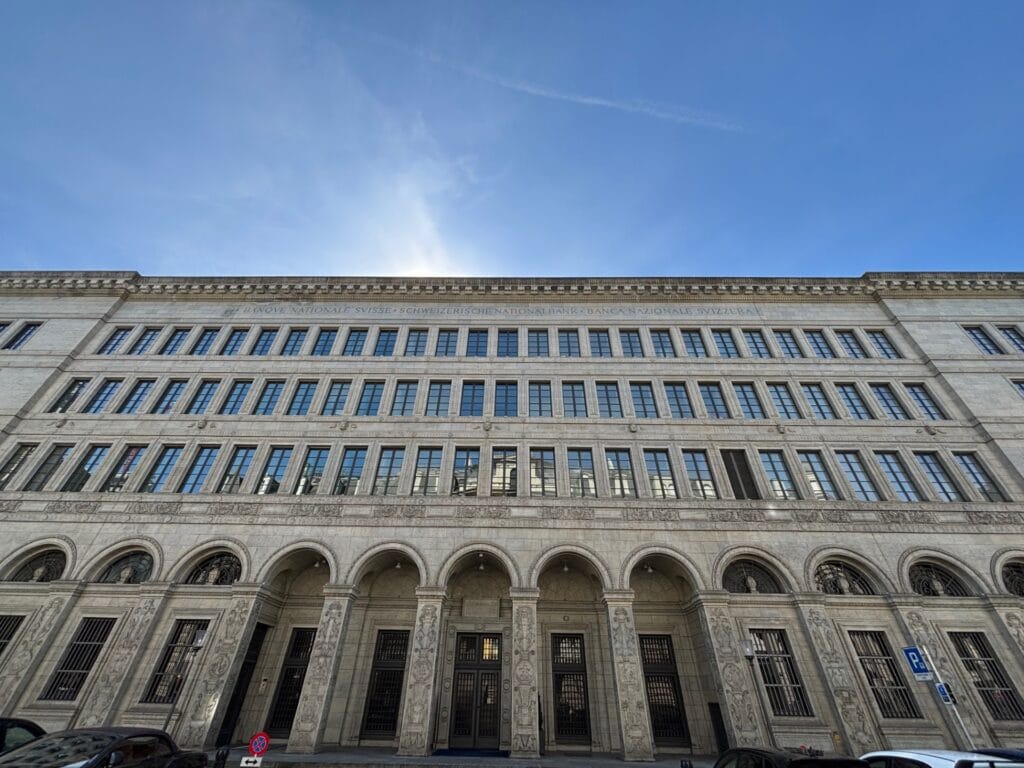
Exterior facade of the Swiss National Bank building, representing secure Swiss bank accounts for non-residents.

Swiss Bank Account for Non-Residents: Best 2026 Complete Guide

Yes — non-residents can open a Swiss bank account in 2026. However, the honest answer is more layered than that one sentence suggests. Fewer than 30% of Switzerland’s 230 licensed banking institutions actively onboard non-resident clients. New AML rules came into full force in 2026. And thousands of legitimate applicants get rejected every year —

Swiss Bank Account for Non-Residents: Best 2026 Complete Guide Read More »

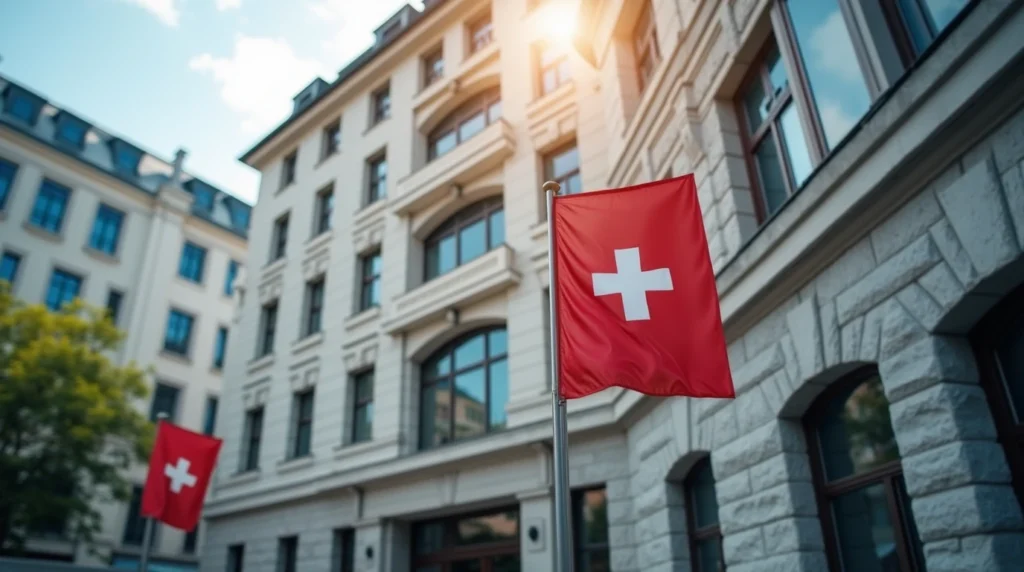
Swiss private bank building with a Swiss flag, reflecting Swiss private bank minimum deposit requirements

Swiss Private Bank Minimum Deposit: 2026 Complete Guide

Quick answer (2026): Swiss private bank minimum deposit thresholds range from CHF 0 at digital platforms like Dukascopy to CHF 10 million+ at elite institutions like Pictet Private Wealth. For standard non-resident HNWI relationships, the practical range is CHF 500,000–CHF 1 million at mid-tier private banks and CHF 1M–CHF 5M at top-tier names. High-risk clients

Swiss Private Bank Minimum Deposit: 2026 Complete Guide Read More »

Swiss bank client risk classification analysis by professionals for AML compliance

How Swiss Banks Classify Client Risk: AML & KYC Rules Explained

Imagine authorising a perfectly legal $2.5 million wire transfer to purchase commercial property in Dubai. Instead of a confirmation receipt, you receive a polite but icy call from your relationship manager in Zurich. The funds are frozen. The bank needs three new layers of documentation tracing the exact origin of the money. You are suddenly

How Swiss Banks Classify Client Risk: AML & KYC Rules Explained Read More »

Modern high-resolution world map highlighting financial hubs in Switzerland and Singapore with digital lines and currency icons, symbolizing global offshore banking.

Offshore Banking Guide 2026: 7 Proven Expert Strategies

The “offshore” label has a reputation problem. For most people, it conjures images of secretive billionaires moving money through shell companies on some Caribbean island. The reality — at least in 2026 — is far more mundane, and considerably more useful. Offshore banking simply means holding an account at a bank outside your country of

Offshore Banking Guide 2026: 7 Proven Expert Strategies Read More »

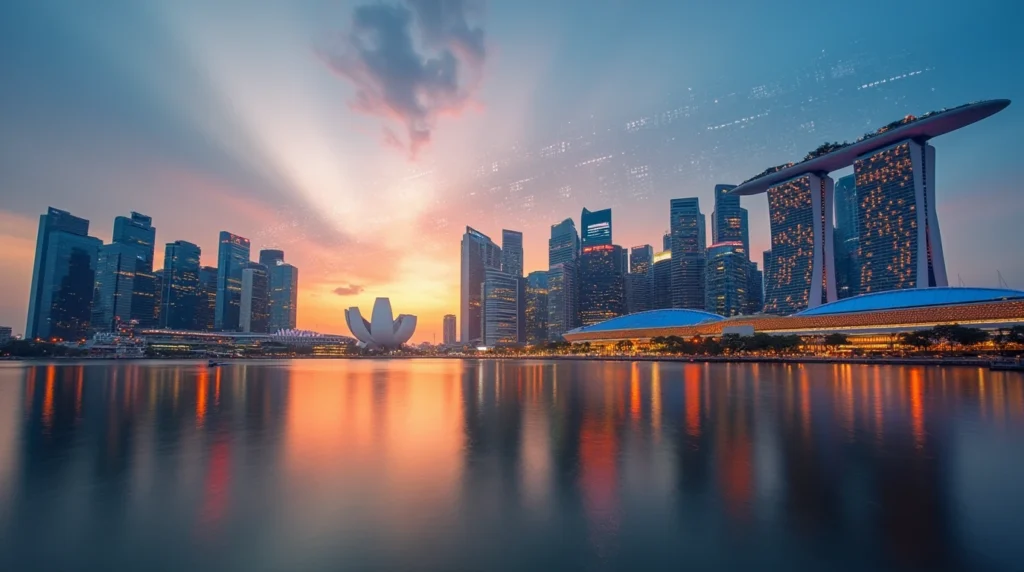
Singapore Marina Bay financial district skyline representing Asia's leading private banking center managing $2.3 trillion in assets

Top 10 Private Banks in Singapore by AUM 2025: Essential Rankings & Expert Analysis

Singapore’s private banking sector managing over $2 trillion in assets isn’t an accident — it’s the result of twenty years of deliberate policy, regulatory design, and geographic luck. As of 2025, no other city-state on the planet competes with Singapore’s ability to attract ultra-high-net-worth families, single-family offices, and global wealth management firms under one roof.

Top 10 Private Banks in Singapore by AUM 2025: Essential Rankings & Expert Analysis Read More »

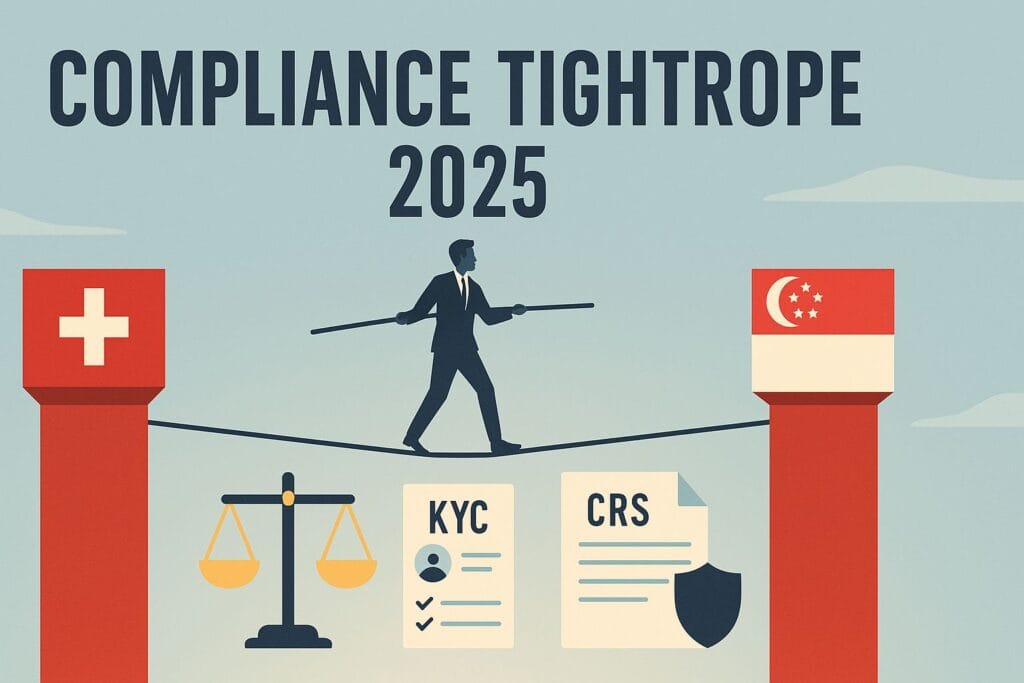
Illustration of a businessman walking a tightrope between Swiss and Singaporean pillars, symbolising tax compliance for non-residents in 2025 with AML, KYC, and CRS icons below.

Non-Resident Tax Compliance: A Guide to AML & AEI/CRS for Swiss & Singaporean Accounts (2025)

If you are a non-resident holding, or considering opening, bank accounts in premier financial centers like Switzerland or Singapore, understanding and managing tax compliance for non residents is no longer just advisable – it’s absolutely essential. The global financial system operates under a complex web of regulations designed to ensure transparency and combat illicit activities.

Non-Resident Tax Compliance: A Guide to AML & AEI/CRS for Swiss & Singaporean Accounts (2025) Read More »

Infographic titled “International Financial Center Comparison 2025” that places Switzerland, Singapore and the UAE side-by-side, displaying their credit ratings (AAA, AAA, AA-), FX reserves ($840 B+, $300 B+, $140 B+), deposit-insurance limits (CHF 100 000; SGD 75 000; coverage undisclosed) and total banking assets (~$9.98 T, ~$3.6 T, ~$1.24 T).

Switzerland 🇨🇭 | Singapore 🇸🇬 | UAE 🇦🇪 — Financial Powerhouse Comparison (2025)

Managing significant international wealth has never felt more complex than it does in 2025. Regulations tighten, geopolitical risks evolve overnight, and economic heavyweights shift the center of gravity for global capital. Consequently, high-net-worth individuals (HNWIs) and family offices cannot rely on yesterday’s playbook when selecting a primary financial hub. Three centers—Switzerland, Singapore, and Dubai (representing

Switzerland 🇨🇭 | Singapore 🇸🇬 | UAE 🇦🇪 — Financial Powerhouse Comparison (2025) Read More »

A Swiss-flagged shipping container beside a U.S. customs barrier, symbolizing the 31% tariff on Swiss goods

Shocking 31% US Tariffs on Swiss Goods—What Happens Next?

1. Introduction: A Sudden Trade Upset The United States has just imposed 31% tariffs on all goods imported from Switzerland. This shocking move worries both Swiss companies and American consumers. By taxing Swiss products so heavily, prices in the US will likely climb for items such as medicines, watches, machinery, and even chocolate. As a

Shocking 31% US Tariffs on Swiss Goods—What Happens Next? Read More »